
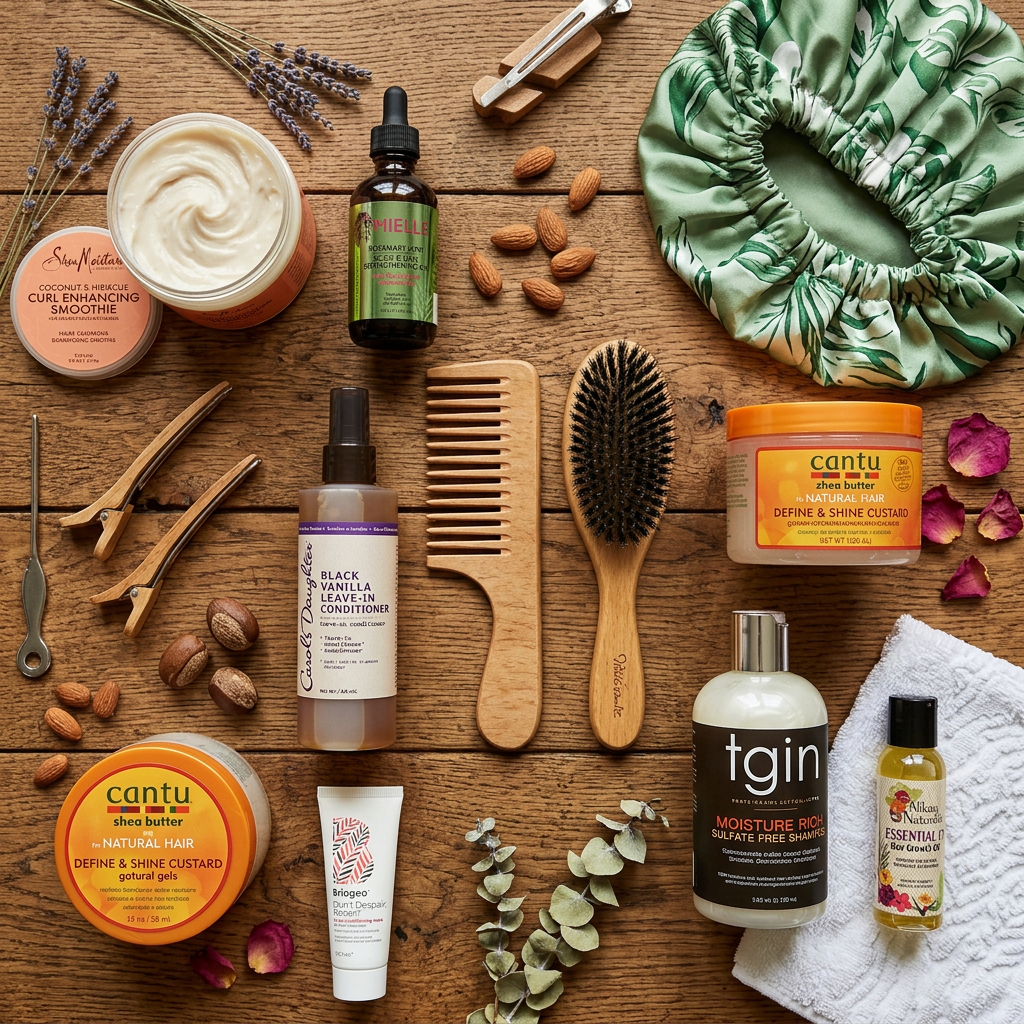
Becoming a mother change everything—your schedule, your sleep, your priorities, and even your hair. If you’ve noticed more strands in the shower, on your pillow, or caught in your brush, you’re not alone. Many new mothers experience a predictable pattern of hair changes following childbirth. This post outlines what’s happening, when it may be cause for concern, safe ways to care for your hair while breastfeeding, product recommendations aligned with current guidance, gentle hairstyles that protect your hair (and prevent baby from pulling), stress-relief strategies, and simple DIY routines that can fit into even the busiest of days.
Quick snapshot: what to expect
- Why it happens: During pregnancy, higher estrogen levels keep more hairs in the growth phase, so hair often looks thicker and shinier. After birth, estrogen drops and many hairs enter the resting phase and shed together — a condition called telogen effluvium.
- Timing: Shedding usually starts 2–4 months postpartum, peaks around 3–6 months, and most people see improvement by 6–12 months.
- When to see a doctor: If loss is patchy, sudden, accompanied by scalp symptoms, or persists beyond a year, consult your clinician for tests (thyroid, ferritin/iron, other causes).
The biology in plain language
During pregnancy, estrogen prolongs the anagen (growth) phase of hair, so fewer hairs fall out. After delivery, estrogen levels fall and many hairs synchronously move into telogen (resting) and then shed. This synchronized shedding is normal and usually temporary. Other contributors include iron deficiency, thyroid changes, major stress, rapid weight loss, and certain medications — all of which your clinician can evaluate.
How to tell normal postpartum shedding from something that needs attention
Normal postpartum shedding
- Diffuse thinning rather than bald patches.
- Onset 2–4 months after delivery and gradual recovery within a year.
See a clinician if
- Hair loss is patchy or there are broken hairs, scalp pain, redness, or scaling.
- Shedding continues beyond 12 months or you have systemic symptoms (fatigue, weight changes, cold intolerance) that suggest thyroid or iron problems. Your doctor may check ferritin and TSH levels.
Gentle, realistic hair-care routine for the postpartum months
Newborn life is busy. These steps are short, effective, and baby-friendly.
Daily and weekly habits
- Wash 2–3 times a week with a gentle, sulfate‑free shampoo; condition mid-lengths and ends.
- Detangle gently with a wide-tooth comb; avoid brushing wet hair aggressively.
- Limit heat styling; when you do use heat, apply a heat protectant and use the lowest effective temperature.
- Trim every 8–12 weeks to remove split ends and keep hair looking healthy.
Scalp care
- Daily 3–5 minute fingertip scalp massage to boost circulation and reduce stress.
- Avoid aggressive chemical scalp treatments while breastfeeding unless cleared by your clinician.
Products to consider (researched examples and safety notes)
Below are widely available product examples that are generally well-reviewed for postpartum thinning or gentle care. These are suggestions to discuss with your clinician; product formulations change, so always check labels and consult your healthcare provider if you’re breastfeeding and concerned about an ingredient.
| Purpose | Product examples | Why it’s suggested | Safety note |
|---|---|---|---|
| Gentle daily shampoo | CeraVe Hydrating Shampoo; Vanicream Free & Clear Shampoo | Mild surfactants, fragrance‑free options for sensitive scalps | Topical use considered low risk while breastfeeding; avoid if you have scalp irritation. |
| Shampoo for thinning hair / volume | Nioxin System Kits; Kérastase Densifique Bain Densité | Formulated to add body and reduce breakage | Nioxin contains botanical extracts; topical use is low risk. |
| Conditioner / leave-in | Olaplex No.5 Bond Maintenance Conditioner; Briogeo Farewell Frizz Leave‑In | Strengthening and hydrating without heavy buildup | Use sparingly at roots to avoid weighing hair down. |
| Topical serums for thinning | Vegamour GRO Hair Serum; The Ordinary Multi-Peptide Serum for Hair Density | Contain peptides, botanical actives, or caffeine to support scalp environment | These are topical; discuss with clinician before starting while breastfeeding. |
| Heat protectant | Tresemmé Thermal Creations Heat Tamer; CHI 44 Iron Guard | Protects hair from heat damage | Choose low‑alcohol formulas to avoid drying. |
| Dry shampoo / root lifter | Batiste Dry Shampoo; Living Proof Perfect Hair Day Dry Shampoo | Adds texture and hides excess oil between washes | Use moderately; avoid inhalation and keep away from baby. |
| Coloring option | Ammonia‑free demi or semi‑permanent dyes (salon consultation recommended) | Less chemical processing than permanent bleach | Many clinicians say occasional salon color is acceptable while breastfeeding; avoid scalp‑soaking techniques and discuss timing with your provider. |
Key safety notes:
- Topical products (shampoos, conditioners, serums) are generally low risk for breastfeeding mothers because systemic absorption is minimal, but always check ingredients and consult your clinician for anything new.
- Minoxidil: Topical minoxidil can help some people with hair regrowth, but it is absorbed systemically in small amounts. Many clinicians recommend discussing risks and benefits before starting topical minoxidil while breastfeeding; some advise waiting until breastfeeding is well established or finished. Do not use oral minoxidil or finasteride while breastfeeding.
Safe hairstyles that keep hair tidy and protect your hairline
- Low, loose bun secured with a soft scrunchie.
- Loose braids (single or two) to keep hair contained and reduce tangles.
- Low ponytail with fabric elastic; avoid tight, high styles that pull at the hairline.
- Headbands and soft clips to keep front hair away from baby’s hands.
- Avoid tight styles (tight ponytails, cornrows) that can cause traction alopecia over time.
Practical tip: keep a few soft scrunchies and wide clips in diaper bag or nursery so you can quickly secure hair before feeding or playtime.
Nutrition and supplements that support hair recovery
- Check iron/ferritin: Low ferritin is commonly linked to hair shedding; ask your clinician for testing before starting iron supplements.
- Protein: Ensure adequate dietary protein; hair is mostly protein, so a balanced diet helps.
- Continue prenatal or postpartum multivitamin if recommended by your clinician; vitamin D and B vitamins can be helpful if deficient.
- Biotin: Deficiency is rare; high-dose biotin supplements are usually unnecessary unless a deficiency is identified. Discuss before starting.
Stress, sleep, and small habits that help
You don’t need a big overhaul — small, consistent habits help both hair and mood.
- Short stress breaks: 5–10 minutes of deep breathing, a short walk, or guided breathing apps.
- Sleep when you can: Nap when baby naps; ask for help with nighttime feeds if possible.
- Share tasks: Practical support with meals and chores reduces chronic stress.
- Seek help for mood changes: Postpartum anxiety and depression are common and treatable — talk to your clinician. Stress can worsen shedding, so addressing mental health is part of hair care.
Simple DIY hair treatments you can do in 20 minutes
- Soothing scalp massage oil: Warm 1 tbsp jojoba oil + 1 tsp argan oil; massage into scalp 3–5 minutes, leave 20–30 minutes, then shampoo. Use once weekly.
- Hydrating mask for ends: Mash 1 ripe avocado + 1 tbsp coconut oil; apply to mid-lengths and ends for 20 minutes, rinse and shampoo. Use every 2–3 weeks.
- Clarifying rinse: 1 part apple cider vinegar to 4 parts water as a final rinse after shampoo to remove buildup (use sparingly; avoid if scalp is irritated). Always patch-test and avoid essential oils or strong additives on the scalp without clinician approval while breastfeeding.
Styling tricks to boost confidence while hair recovers
- Switch your part to add instant root lift.
- Use a volumizing mousse or root-lift spray at the roots (light application).
- Dry shampoo adds texture and hides visible shedding on the brush.
- Lightweight clip-in pieces or headscarves can camouflage thinning areas for special occasions.
When to see a dermatologist or your doctor
- Patchy or rapidly worsening hair loss, scalp pain, or broken hairs.
- Shedding beyond 12 months or other symptoms suggesting thyroid disease or iron deficiency.
- If you want prescription options — a dermatologist can advise on topical vs systemic treatments and timing relative to breastfeeding.
Final, gentle reassurance
Postpartum hair shedding is common and usually temporary. Your body is recalibrating after pregnancy and birth — and hair often follows its own timeline. Gentle care, good nutrition, realistic styling choices, and checking iron and thyroid levels when needed will help most mothers see recovery within months. If you’re worried or the pattern looks unusual, your clinician or a dermatologist can help you find answers and safe treatments.

Leave a Reply